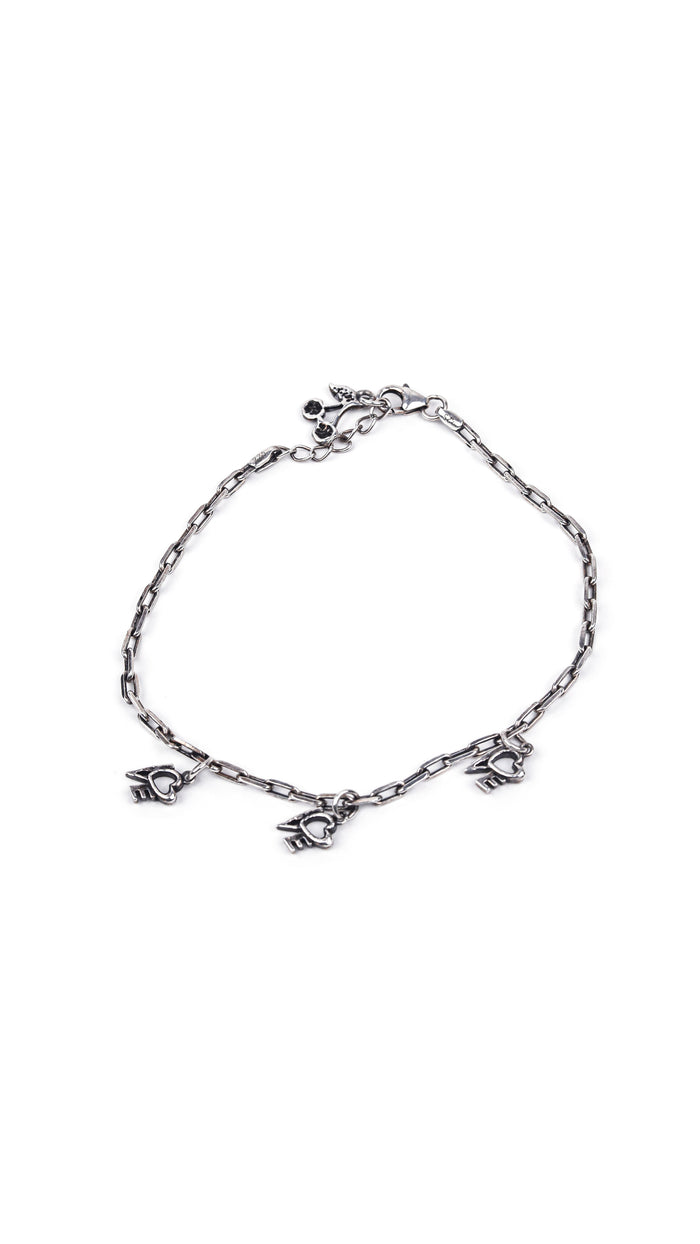


Silver toe rings, known across India as bichiya, sit at the meeting point of tradition and everyday style. This AJB Silver Arte collection brings together 925 sterling silver toe rings for women in a wide sweep of designs, from clean minimal bands for daily wear to ornate bridal and regional styles, along with adjustable pairs that make fit effortless. Every silver bichiya here is chosen with fit and finish in mind, and below you will find the designs, materials, cultural meaning, fit, styling ideas and care that shape a well-chosen pair.
925 Sterling Silver: The Material Behind a Good Toe Ring
Across the pieces gathered here, the defining material is 925 sterling silver (92.5% pure silver). Sterling silver is naturally skin-friendly and hypoallergenic, which matters for a ring worn against the skin all day, and it is durable enough to withstand the constant friction of walking and footwear. Rather than turning black or green the way artificial materials can when they react with moisture and sweat, quality sterling silver ages gracefully and develops an authentic vintage patina over time.
Pure Silver Versus Artificial Toe Rings
Artificial toe rings may be cheaper up front, but they can react with sweat and moisture and cause skin discolouration or rashes. Sterling silver avoids this, lasts far longer, and remains comfortable against the skin, which is why it is the practical choice for a piece meant for regular wear.
How to Check Silver Purity
A careful shopper can confirm authenticity in a few simple ways:
- Look for the 925 hallmark stamp, which certifies 92.5% pure silver.
- Ask for an authenticity certificate stating the exact metal purity.
- Use the magnet test, since pure silver is non-magnetic.
- Try the wipe test, as the natural oxidation of pure silver leaves a faint black residue.
Some sterling silver toe rings are also finished with rhodium or rose-gold plating for extra shine and tarnish resistance, while others carry an oxidised surface treatment for an antique, darkened look.
Silver Toe Ring Design Ideas and Styles
A silver toe ring design can take many shapes and forms, from simple bands to intricately worked pieces set with stones. The designs in this collection fall into a few broad families that recur across the range.
Minimal and Everyday Designs
For daily wear, single thin bands and lightly textured or twisted-wire styles give a clean look that will not snag on footwear or clothing. Geometric shapes such as open circles, petite arrows, chevrons and miniature diamond forms add a contemporary edge, and subtle accent settings with a tiny zircon catch the light without adding bulk.
Floral, Nature and Celestial Motifs
Nature and celestial themes are among the most popular decorative directions:
- Floral and botanical: lotus, blooms, leaf and vine, sunflower and mango motifs.
- Celestial: crescent moons, stars and tiny constellations.
- Nature-inspired: cascading waves, beaded circles and miniature elephant motifs.
- Hearts and charms: single hearts, heart clusters and charm-set bands.
Stone-Set and Oxidised Finishes
Many designs are set with cubic zirconia or coloured stones in white, pink, red and other tones, adding sparkle to the toe. Oxidised sterling silver, with its darkened antique finish, offers a more traditional, muted alternative that pairs especially well with cotton and ethnic wear.
Cultural Meaning of the Bichiya
Beyond their visual appeal, toe rings hold a revered place in Indian tradition. Worn by a woman, they signify that she is married, and in many Indian cultures the husband places the toe rings on the second toe of both of the wife's feet during the wedding ceremony. The custom is ancient: the Ramayana recounts Sita throwing down her toe ring after being abducted by Ravana so that Rama could find her.
Why Silver Rather Than Gold
Indian toe rings are usually made of silver and traditionally worn in pairs on the second toe of both feet. Gold is generally avoided for the feet because it holds a respected status associated with Goddess Lakshmi and, by custom, is not worn below the waist, which is a key reason silver is the favoured metal for this piece.
Wellness Beliefs
According to Ayurveda, a vital nerve is believed to run from the second toe toward the uterus and heart, and the gentle pressure of a toe ring is thought to help regulate blood flow and support a balanced menstrual cycle. These are traditional beliefs rather than scientifically verified claims, but they remain part of the ring's cultural significance.
Regional Designs and Names Across India
India's diversity shows in its toe rings, with distinct regional styles and names. The same ornament is called by different terms in different languages:
- Bichiya in Hindi, across much of north and central India.
- Jodvi (jodavi) in Marathi, in Maharashtra.
- Mettelu in Telugu and Metti in Tamil, in the south.
- Minji or kaalmothiram in Malayalam, and further regional names in Odia, Bengali and Kannada.
Traditional North and Central Indian Bichiya
The classic bichiya is recognisable by its raised centres, structured dome patterns and intricate filigree metalwork, often passed down through generations of family jewellers. Recurring motifs include the fish cut, which symbolises fertility and abundance, floral clusters bordered by fine silver beads for an antique look, and minakari enamel that adds colour within grooved patterns.
Maharashtrian Jodvi
In Maharashtra, the jodvi is historically distinct, featuring wide, flat structures or a series of interconnected rings. Modern jodvi designs have become lighter and more comfortable, with durable bands suited to everyday life.
South Indian Mettelu
Down south, mettelu designs, known in Tamil as metti design, are typically handcrafted in thick, solid silver with spiralling metalwork. The most traditional form is the double or triple spiral, where a length of silver wire is wound around the toe two or three times to symbolise continuity and strength, sometimes flanked by rows of tiny polished silver spheres.
Fit, Comfort and Adjustable Toe Rings
Because toes move differently from fingers and bear the body's weight all day, fit and comfort matter as much as looks. A toe ring that is too tight can pinch, while one that is too loose may slip, so a smooth, well-shaped ring is essential.
Choosing for Comfort
Look for a completely smooth, curved inner profile that will not dig into the skin, and check that floral petals, star points and geometric edges are gently rounded and polished. It also helps to avoid high, prong-set stones that could snag on socks or bedsheets.
Adjustable and Open-Band Styles
Adjustable toe rings have transformed how people shop for bichiyas, because you no longer need to know an exact size. An open back lets the ring gently expand or compress for a snug fit, while a bypass style overlaps to protect the skin from pinching. Fitted rings, by contrast, are made to a single size. If you are unsure of your size, an adjustable open band is the easiest choice, or you can measure your toe's circumference with a flexible tape or string and compare it to a size chart.
Styling Silver Toe Rings
A well-chosen silver toe ring for women is a finishing touch that pulls a whole look together, and the same collection can move from festive to casual with a change of design.
With Ethnic Wear
Toe rings work effortlessly with silk sarees, lehengas and Anarkali suits. Classic stone-studded pieces, lotus patterns and multi-layered styles suit heavier outfits. Bright silver stands out against zari, while oxidised silver tends to work better with cotton.
With Western and Casual Outfits
Minimal silver bands, geometric chevrons and celestial star rings pair naturally with cropped denim, breezy maxi dresses and linen shorts. Matte or oxidised finishes suit denim, while a little sparkle lifts summery dresses; leather slides or platform sandals complete the look.
Layering With Anklets
When pairing toe rings with anklets, keep balance in mind: if the anklet is heavy and detailed, keep the toe rings clean and simple, and if the toe rings are statement pieces, choose a more delicate anklet. Wearing several fine toe rings on different toes also creates an easy, layered boho effect.
Pricing and Care
The final price of a silver toe ring depends on several factors:
- The daily international price per gram of pure silver.
- The intricacy of the design and the skilled labour it requires.
- Any gemstones or other embellishments.
- Premium finishes such as anti-tarnish plating or specialised oxidation.
As a rough guide from the sources, simple daily-wear sterling silver toe rings tend to fall around Rs 1,000 to Rs 1,600, mid-range contemporary styles with stone settings or bypass designs around Rs 1,600 to Rs 2,500, and more elaborate pieces Rs 2,500 and above.
Caring for Your Silver Toe Rings
To keep silver bright, wipe it gently with a soft cloth, keep it away from lotions and harsh chemicals, and store it in a dry pouch. For a deeper clean, soak the rings in warm water with a little mild soap for five to ten minutes, brush gently with a soft-bristled toothbrush, rinse with clean water and pat dry with a soft microfibre cloth.
Toe Rings Around the World
While the toe ring carries deep meaning in India, in many Western countries it is a relatively new fashion accessory with no particular symbolic meaning, typically worn with sandals, anklets or bare feet. It is worn by both men and women, and in Tamil culture men have also worn simpler toe rings for comfort. Whatever the setting, the second toe is the most common place to wear one, as its length makes for the most secure fit.